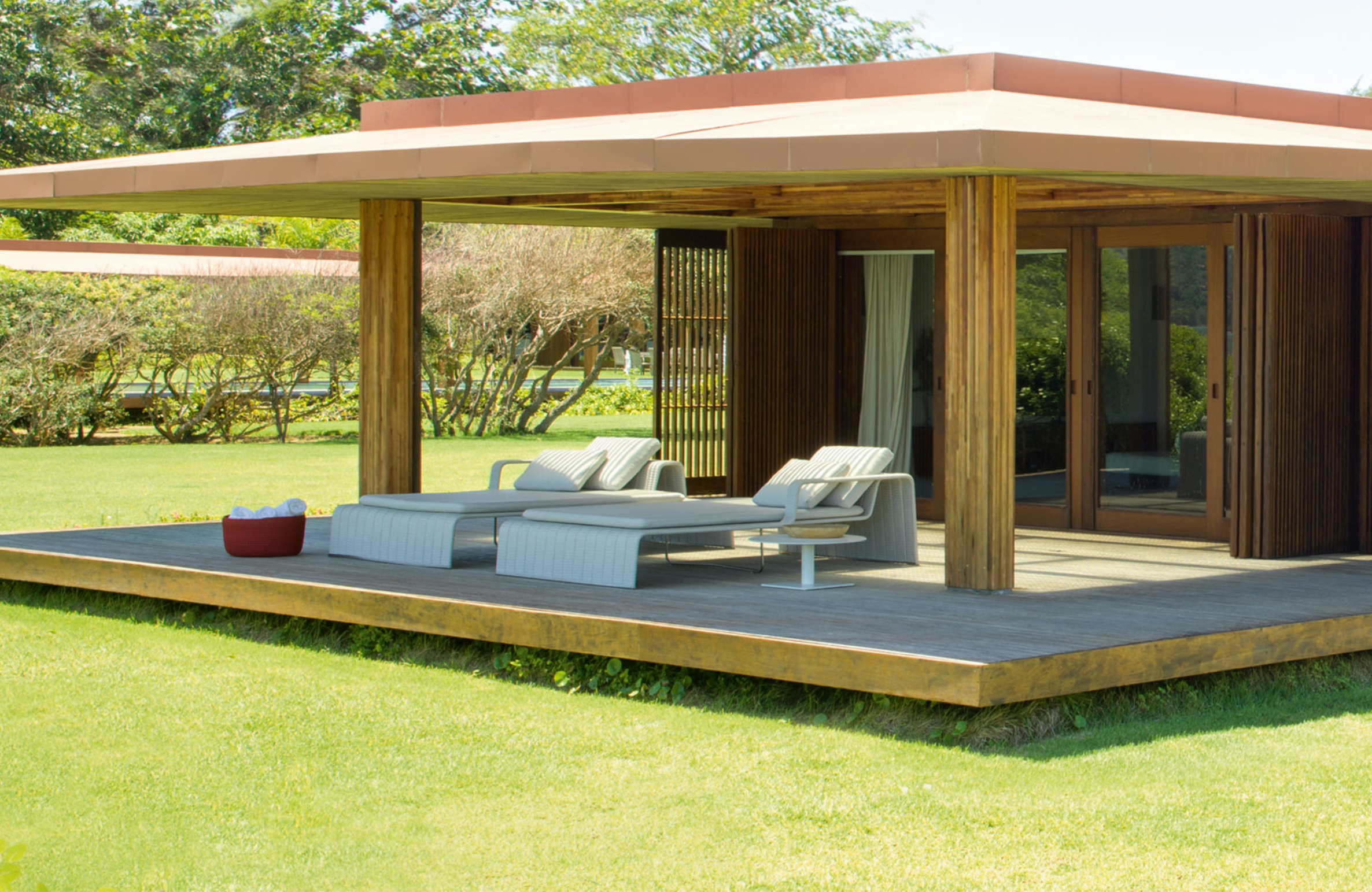

Italian furniture is not just about aesthetics. It is about craftsmanship, material integrity, and longevity. Whether it’s a sculpted walnut console, a hand-stitched leather chair, or a marble dining table, each piece is designed to age beautifully but only with the right care.
The good news is that maintaining Italian furniture does not require complicated routines. What it needs is awareness of materials, thoughtful daily habits, and a few preventive measures that protect finishes over time.
Here is how to make your Italian furniture last longer while preserving its original character.
Italian furniture is built with a deep respect for materials. Solid woods, premium veneers, natural leather, engineered stone, and precision joinery all work together to create pieces that are meant to endure decades of use.
Unlike mass-produced furniture, these pieces respond to their environment. Temperature, humidity, cleaning methods, and placement inside the home all influence how they age.
Treating Italian furniture well begins with recognizing that it is not disposable décor. It is a long-term investment.
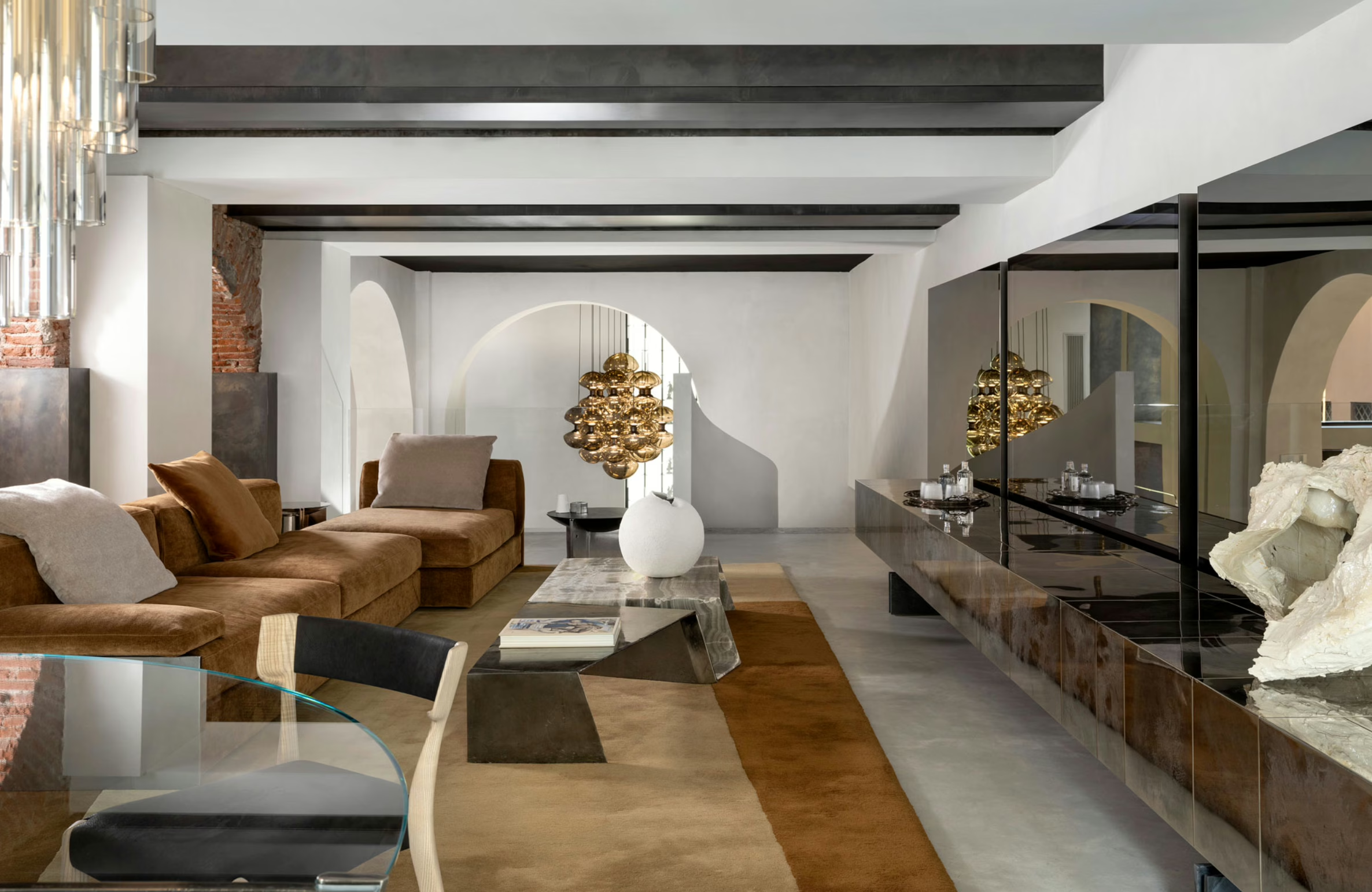
Many Italian furniture pieces feature solid wood or natural veneers such as walnut, oak, or ash. These materials remain stable for years when protected from sudden environmental changes.
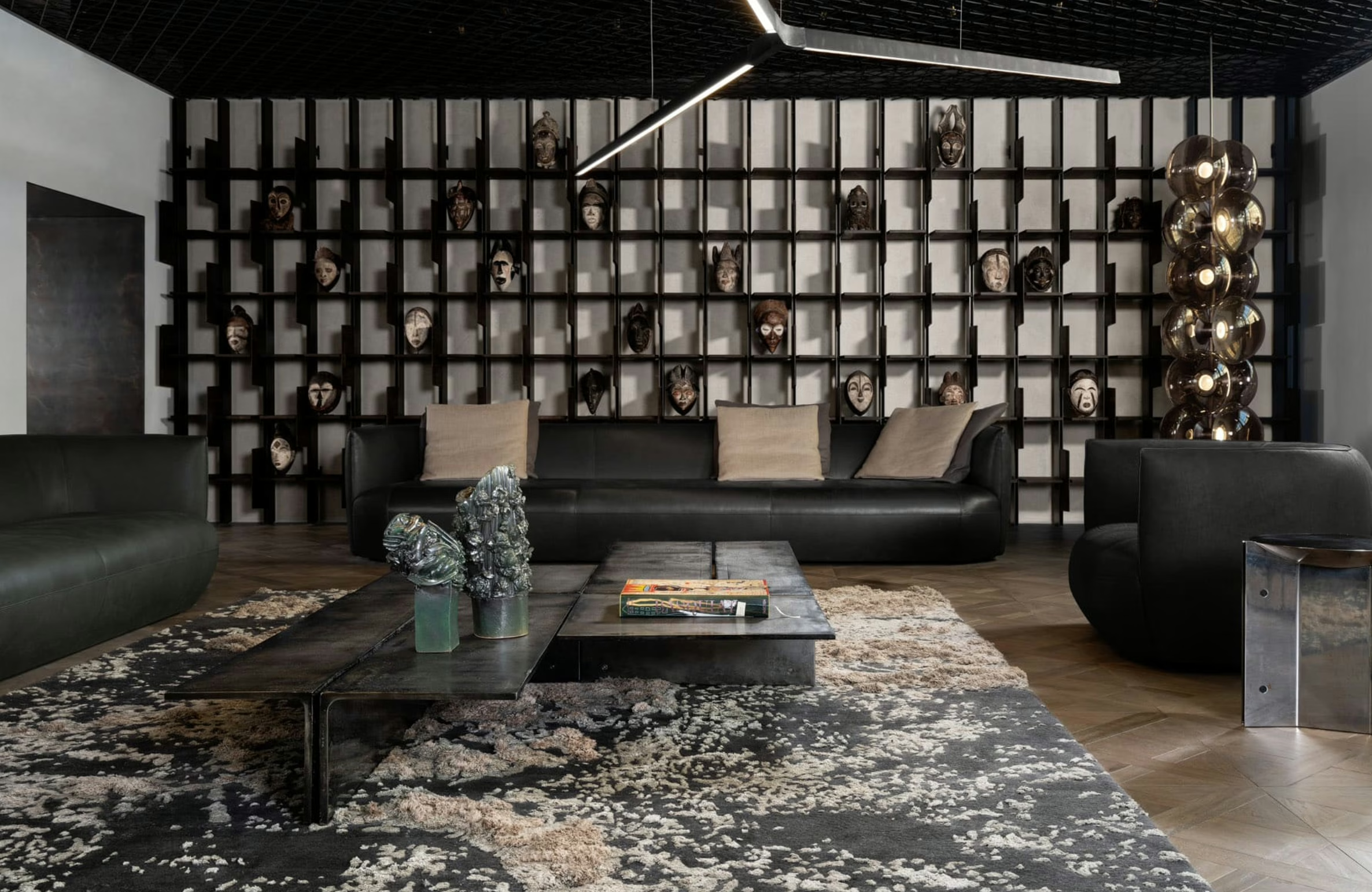
Italian leather is valued for its softness and natural finish. Over time, it develops a patina that enhances its character but only if it is maintained properly.
Italian furniture often incorporates marble, travertine, or engineered stone tops. These surfaces are durable but still require thoughtful maintenance.
Natural materials respond visibly to light. Over time, direct sunlight can fade wood tones, dry leather surfaces, and slightly alter upholstery colour.
Position furniture away from large windows where possible. If relocation is not practical, consider sheer curtains or blinds that soften sunlight without reducing natural brightness inside the room. Even subtle adjustments like rotating chairs or shifting accessories occasionally can help maintain uniform colour across surfaces.
Dust accumulation may seem harmless, but over time it can dull finishes and reduce surface clarity.
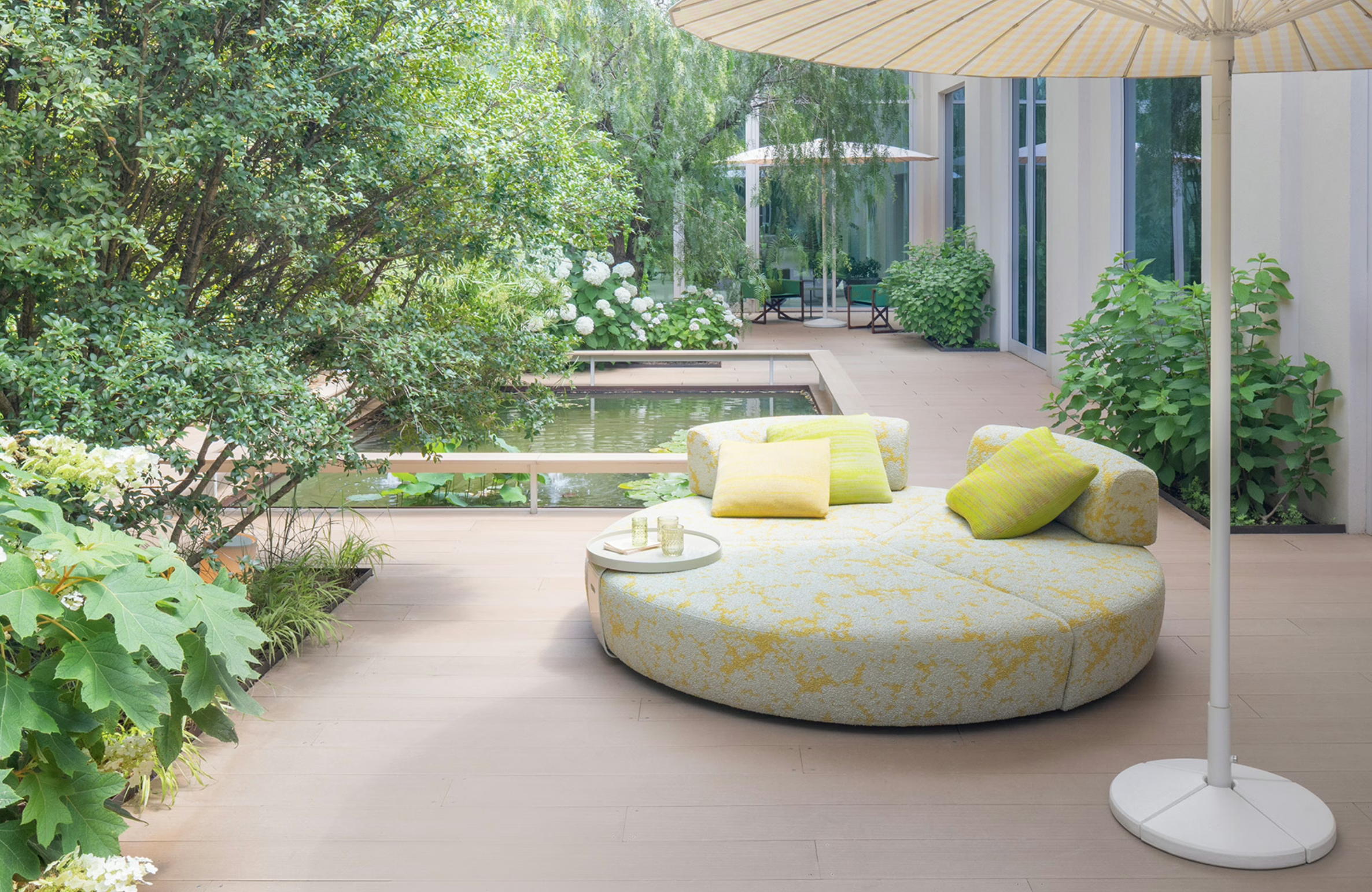
Fabric upholstery in Italian furniture is selected for durability as well as texture. Still, it benefits from simple preventive care.
Furniture placement affects longevity more than most people expect.
Italian furniture is designed to last decades, not seasons. With the right care, it continues to evolve in appearance while maintaining its structure and comfort.
Small habits like using coasters, avoiding harsh chemicals, rotating cushions, and controlling sunlight exposure make a meaningful difference over time.
The goal is not to preserve furniture in untouched condition. It is to allow it to age gracefully while retaining its quality and presence within your space. When maintained thoughtfully, Italian furniture does not just last longer it becomes more beautiful with time.